January 8-10, 2027
 Greater Noida, India





India's food and beverage engagement with West Asia has steadily deepened, shaped by geographic proximity, shared culinary traditions, and the region's growing dependence on imported food. Across this diversity spanning the Gulf, the Caucasus, and adjoining Eurasian trade routes along with urbanisation, changing lifestyles, and limited agricultural capacity continue to drive demand for reliable long-term sourcing partners.
Within this context, India has emerged as a trusted presence on West Asian shelves. Exports to the region include basmati and non-basmati rice, cereals, spices, tea, processed foods, dairy products, fruits and vegetables, and halal-certified meat, closely aligned with regional consumption habits. According to DGCIS data, India exported basmati rice worth approximately ₹50,312 crore (US$ 5.87 billion) in FY 2024–25, with West Asian markets accounting for a significant share—highlighting India's role in meeting both staple and premium demand.
As consumption patterns evolve, so does the nature of engagement. Rising incomes, greater exposure to global food trends, and increased focus on quality and provenance are reshaping sourcing and retail strategies. This shift is especially evident when viewed through markets such as Azerbaijan, which occupies a unique position in the regional trade ecosystem.
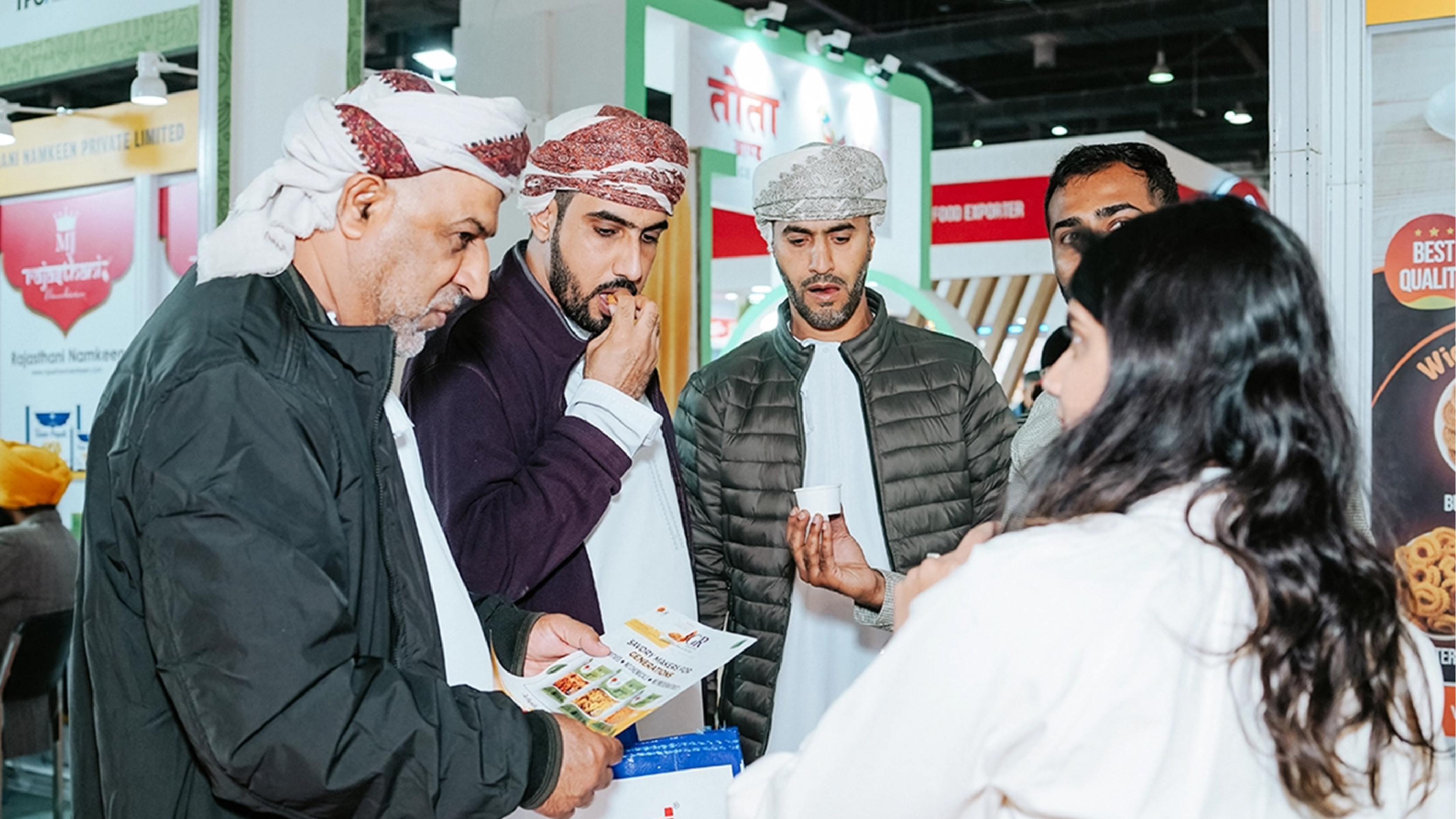
As Dadashov Alisa, a senior FMCG retail leader from Azerbaijan, explains, "Azerbaijan occupies a unique position as a natural bridge between Europe and Asia, allowing us to observe regional demand trends from a broader, strategic perspective. India has historically been a civilisation of great trade, knowledge, and cultural exchange. Today, this legacy is reinforced by India's rapid emergence as one of the world's most dynamic and influential economies."
This combination of heritage and modern capability is creating new opportunities for Indian food brands. "Products that combine authenticity with innovation—reflecting strong quality standards and a clear brand story rooted in Indian tradition—have the potential to grow well beyond ethnic shelves and become mainstream choices," Alisa notes.
Consumer expectations across West Asia are also becoming more nuanced. "Demand is evolving from basic affordability toward deeper value," defined by origin, quality, trust, and cultural meaning. In this environment, Indian food products are increasingly viewed not merely as commodities, but as expressions of a rich culinary and cultural legacy.
Retailers are responding with a long-term, partnership-driven approach. "We are actively seeking direct collaboration with Indian producers, investing in stronger supply relationships, and positioning Indian products as part of a broader lifestyle and cultural experience," the executive adds, to build sustainable partnerships that create mutual economic growth.
For Indian exporters, this marks an important transition. West Asia is evolving from a volume-led destination into a relationship-driven market, where consistency, storytelling, and trust matter as much as price. As trade facilitation improves and quality benchmarks continue to rise, India's role across West Asia is increasingly that of a long-term food partner, supporting both everyday consumption and the region's evolving retail ambitions.
LATEST RELEASE