January 8-10, 2027
 Greater Noida, India





Food is more than nourishment—it is memory, identity, and movement, carrying traditions across generations and borders. In a rapidly evolving global food landscape, culinary heritage is no longer confined to the past; it is emerging as a powerful driver of innovation, sustainability, and global trade.
The World Culinary Heritage Conference 2026, powered by Indusfood 2026, brings this vision to life on 9 January 2026 at the India Expo Centre & Mart, Greater Noida. Organised by the Trade Promotion Council of India in association with the Indian Federation of Culinary Associations, the conference creates a global platform where culture, cuisine, and commerce converge.
Recognising food as both cultural capital and an engine of global trade, the World Culinary Heritage Conference 2026, powered by Indusfood 2026, is being organised by the Trade Promotion Council of India in association with the Indian Federation of Culinary Associations on 9th January 2026 at the India Expo Centre & Mart, Greater Noida.
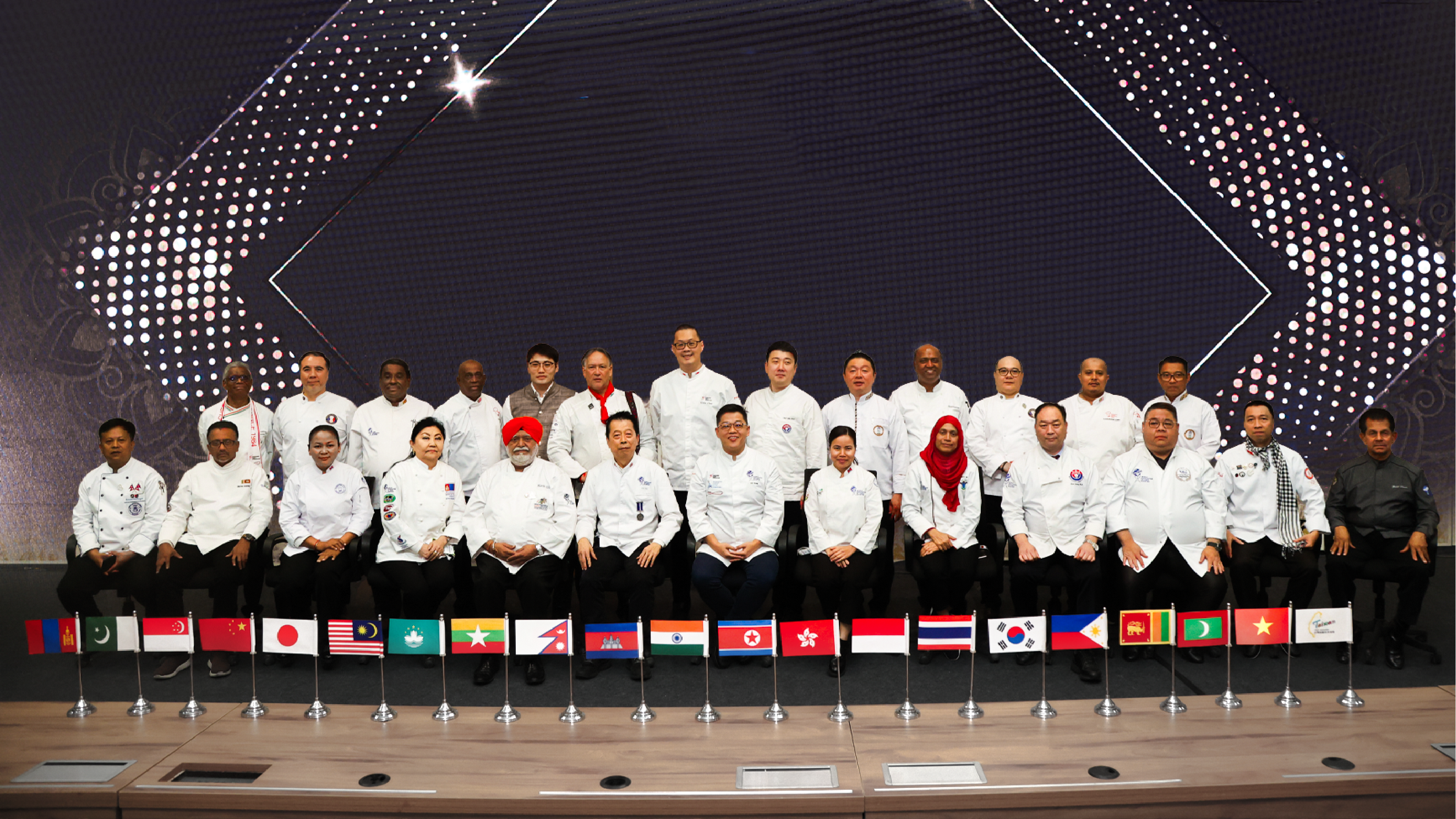
With over 500 delegates, 25+ countries represented, and more than 10 sessions, panels, and live chef demonstrations, the conference forms a global meeting ground for chefs, historians, industry leaders, policymakers, and innovators who believe in preserving the world's culinary roots while shaping the future of gastronomy.
This edition places India at the centre—not merely as the host, but as a global narrative force. A civilisation where food has long served as a bridge between generations and geographies, India emerges here as a meeting point for the world's culinary traditions. With 30 international chefs alongside more than 350 Indian chefs, the platform reflects a shared global belief: that cuisine is both cultural memory and contemporary opportunity. The conference positions India not as a destination, but as a connector—linking tradition with modernity, heritage with trade, and local wisdom with global relevance.
It is where ancient culinary knowledge stands shoulder to shoulder with modern food innovation, reinforcing a powerful truth: heritage is not meant to be preserved in isolation, but to evolve, adapt, and scale.
India's heritage pantry is gaining global relevance—not just as nostalgia, but as a strong commercial opportunity. Millets, once everyday staples in Indian homes, are now entering international markets as flours, cereals, and gluten-free pastas aligned with global health and wellness demand. Ghee, traditionally produced through bilona methods, has moved from local kitchens to premium global shelves, recognised for its purity and nutritional value. Products such as hand-rolled papad and khakra, earlier made using family techniques and sun-drying practices, are now positioned as artisanal snacks for international gourmet and retail channels. Similarly, traditional masala blends—once prepared at home using stone grinding—have evolved into standardised, export-ready spice mixes supplying global foodservice and retail markets. These products demonstrate how heritage foods can be scaled responsibly, retaining authenticity while meeting global quality, packaging, and market expectations.
Throughout the conference, key speakers including global culinary masters, Indian heritage chefs, researchers, innovators, and policymakers lead discussions that connect culture, cuisine, commerce, and sustainability. They explore how traditional foods can be adapted for modern markets, how indigenous ingredients can be protected, how zero-waste principles can enter professional kitchens, and how chefs can act as ambassadors of identity and culinary diplomacy. These dialogues reflect the programme's focus areas: from preserving regional cuisines, to modernising heritage foods for retail and export, to strengthening India's position as a global culinary voice.
The conference will bring together a broad cross-section of the global food and hospitality ecosystem. Participants include chefs, FMCG leaders, exporters and importers, restaurateurs, hospitality and tourism professionals, researchers, policymakers, entrepreneurs, and investors. Each engages with culinary heritage from a distinct professional lens—whether cultural, commercial, or strategic. The platform enables meaningful exchange where traditional knowledge intersects with technology, heritage products align with market demand, and culinary legacy is translated into scalable business opportunities, while maintaining authenticity and provenance.
Ultimately, the World Culinary Heritage Conference 2026 represents a shared moment of reflection and forward thinking for the global culinary and food ecosystem. Rooted in traditions shaped by time and practice, it reaffirms the idea that food carries history—and that history, when understood and respected, creates opportunity. The platform invites global stakeholders to engage with a renewed appreciation of culinary heritage and to contribute to its next chapter, where flavours shaped by the past are thoughtfully reinterpreted, positioned for modern markets, and shared across borders with purpose and integrity.
World Culinary Heritage Conference is being organised on January 9, 2026 from 10 AM onwards at Banquet Hall, IEML Greater Noida. For more details click https://shorturl.at/YYOFc
Indusfood 2026 is open to trade visitors. To register your entry, click https://shorturl.at/J8ZOb
LATEST RELEASE